
Understanding the psychological forces at play in casino environments
The Allure of Gambling
Casino environments are meticulously designed to attract and retain players, leveraging various psychological principles to enhance the gambling experience. From vibrant colors to stimulating sounds, these elements create an immersive atmosphere that captivates the senses. The excitement of gambling apps keeps players engaged, often leading them to stay longer than planned.
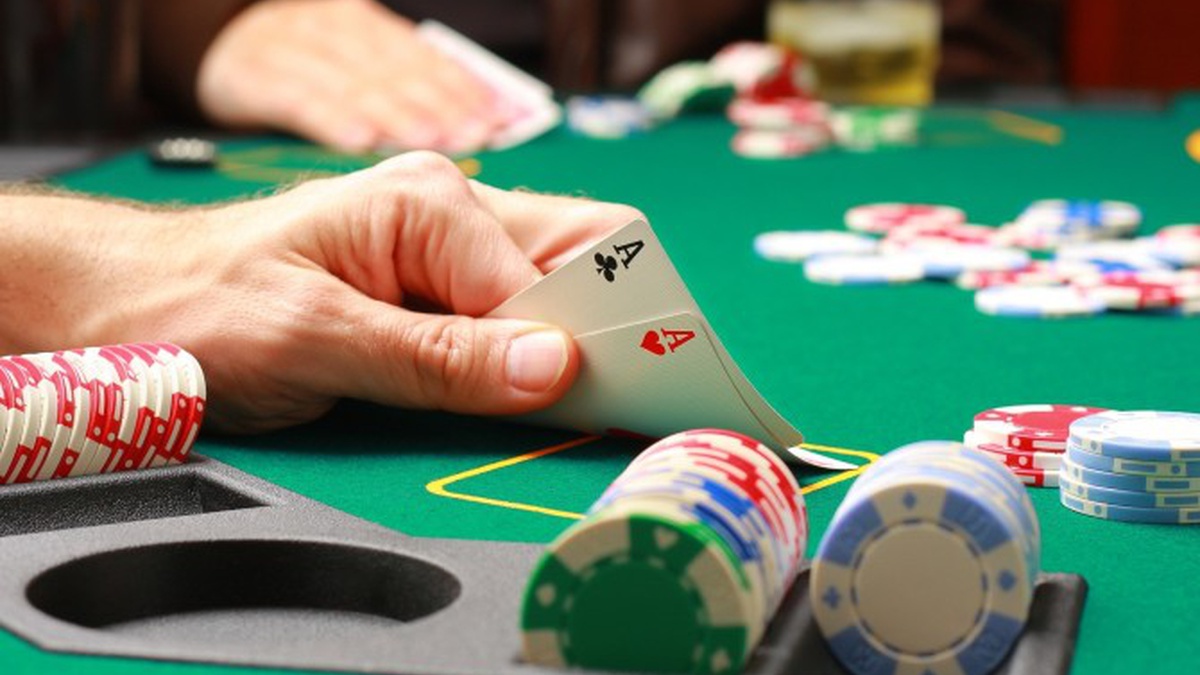
Additionally, the ambiance in casinos plays a crucial role in shaping players’ emotions and behaviors. Studies show that the thrill of potential wins triggers the release of dopamine, a chemical associated with pleasure and reward. This biochemical reaction can create a cycle where players continually seek out the rush of excitement, often disregarding the risks involved.
The Impact of Loss Aversion
Loss aversion is a significant psychological factor that influences gambling behavior. Players tend to feel the sting of losses much more acutely than the pleasure of wins. This phenomenon can lead gamblers to chase losses, attempting to recover their money, which often results in greater financial losses. The desire to avoid the discomfort of losing can create a compulsion to keep playing, even when the odds are not favorable.
This mindset is cleverly exploited by casinos, which offer a myriad of games designed to maintain player engagement. The more players lose, the more they feel the urge to continue gambling, driven by the hope of a turnaround. This cycle perpetuates a reliance on the casino environment, which is both thrilling and perilous.
The Role of Near Misses
Near misses are powerful psychological triggers in gambling. When players come close to winning but ultimately lose, it can create a sense of false hope and encourage continued play. Casinos capitalize on this effect by designing games that frequently present near-miss scenarios, making players feel as though victory is just within reach.
This phenomenon reinforces the belief that winning is attainable, which can keep players returning. The excitement of a near miss can lead to increased gambling frequency, as players might rationalize that their chances of winning are better than they are in reality. This creates a compelling dynamic that sustains player engagement and drives casino profits.
The Effect of Social Interaction
Social dynamics also significantly influence behavior in casino environments. The social atmosphere in casinos can enhance the gaming experience, as people often enjoy sharing the excitement of gambling with others. This social engagement can amplify emotions, making wins feel more significant and losses more bearable.
The presence of others can also create a sense of community among players, fostering an environment where individuals feel supported in their gambling endeavors. However, this social interaction can also lead to groupthink, where individuals make impulsive decisions based on the behavior of those around them, further entrenching them in the gambling experience.

The Importance of Responsible Gambling Awareness
Understanding the psychological forces at play in casino environments is crucial for promoting responsible gambling practices. The thrill of gambling can lead to impulsive behaviors, making it essential for individuals to be aware of their limits and the potential risks involved. Education on responsible gambling can help players recognize when to step back and avoid falling into harmful patterns.
As the online gambling landscape continues to grow, it’s vital to provide users with resources that promote safe gaming habits. Websites dedicated to responsible gambling not only offer insights into the psychology of gambling but also provide tools for players to maintain control over their gaming experiences. By fostering awareness and education, we can help individuals navigate the enticing yet complex world of gambling more safely.